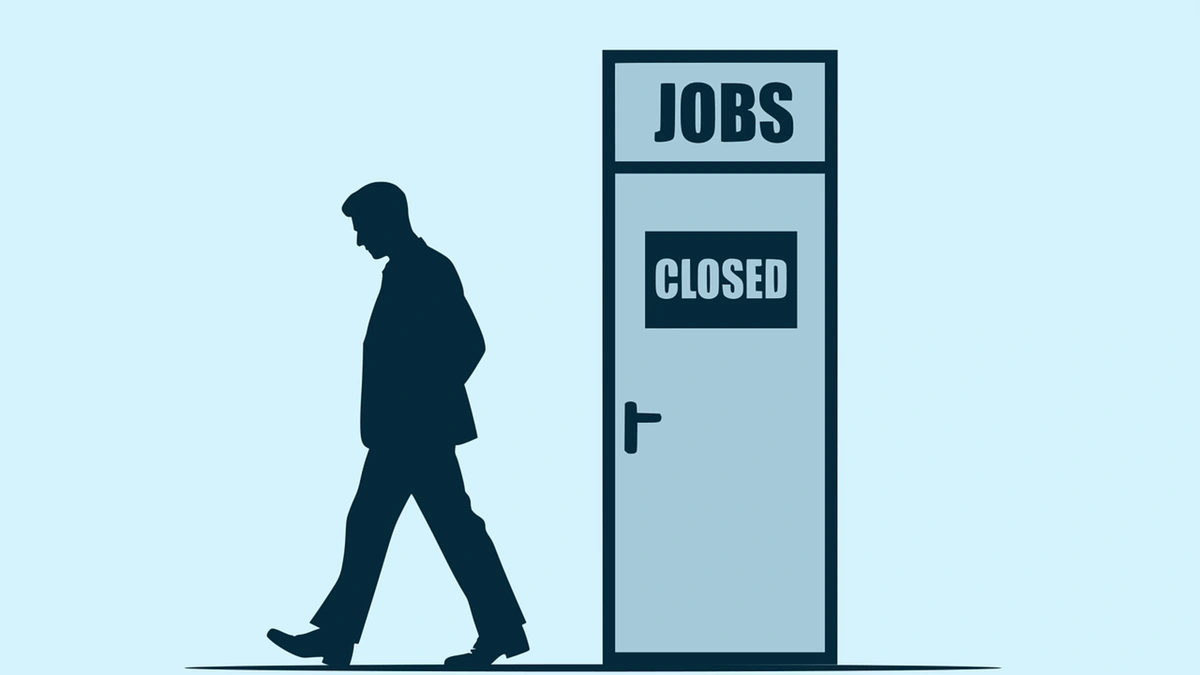
Okay, let’s talk about Urban Company. You might’ve seen their ads, those smiling faces promising hassle-free home services. But behind the scenes, things aren’t always so picture-perfect. News just dropped that Urban Company’s losses have increased in the second quarter. Now, the knee-jerk reaction might be, “Oh no, is this the end?” But here’s the thing: losses in a growing company, especially one in a cutthroat market like India, aren’t always a disaster. Let’s dive into why this matters, and what it really means for you, the consumer, and for the future of the gig economy here.
The Big Question | Why Losses When Demand is High?
So, you see all those Urban Company scooters zipping around, and you might wonder, how are they bleeding money? I initially thought it was just aggressive expansion, but it’s more nuanced than that. A significant chunk of these losses can be attributed to two key factors: investment in scaling and the intense competition in the home services sector. They’re pouring money into acquiring new customers and expanding their service offerings. Think marketing blitzes, discounts, and onboarding more service professionals. And let’s be honest, the home services market in India is a battlefield. Players like Housejoy and local service providers are all vying for the same customers. Increased competition forces Urban Company to spend more on promotions and offers to stay ahead.
And here’s the kicker: maintaining quality while scaling rapidly is a tightrope walk. You can’t just onboard anyone; you need to train them, ensure they meet a certain standard, and manage customer expectations. According to various industry reports, customer acquisition cost is a major concern for most startups. Urban Company needs to invest heavily in marketing and promotional activities to attract new users to their platform.
The Silver Lining | A Focus on Long-Term Growth
But, but, before you write them off, consider this: companies like Amazon and Tesla also reported huge losses in their early stages. The name of the game is market share. Right now, Urban Company is prioritizing growth over immediate profitability. They’re betting that by capturing a large chunk of the market now, they can reap the rewards later. This strategy involves heavy investment in technology to improve efficiency and customer experience. According to their recent press releases, Urban Company is investing in AI and machine learning to optimize service delivery and predict customer needs. This focus on innovation could give them a competitive edge in the long run.
What fascinates me is their long-term vision. Are they building a sustainable business model, or are they just burning cash until they get acquired? Time will tell. Let me rephrase that for clarity – If Urban Company continues to prioritize the customer experience and professional training, they could achieve sustainable profitability. Now, how will this affect its valuation in the future? Check out this deep dive on Urban Company’s overall financial health.
What This Means For You (The User)
Okay, enough about the company’s internal struggles. How does this impact you, the person looking to book a massage or get your AC serviced? In the short term, you might see more attractive discounts and offers as Urban Company tries to woo customers. But, there’s a potential downside. As companies become increasingly desperate to gain revenue, the temptation to cut costs is high. This might lead to a dip in the quality of service. I’m not saying it will happen, but it’s something to be aware of. A common mistake I see people make is to always go for the cheapest option, which doesn’t always guarantee quality work. This isn’t unique to Urban Company; it’s a challenge for any service aggregator. However, the user experience is a key factor in determining their success.
According to the official guidelines of the company, they are committed to maintain high standards of service quality. So, let’s hope they can keep up that commitment.
The Future of the Gig Economy in India
Urban Company’s struggles are a microcosm of the challenges facing the gig economy in India. It’s a booming sector, but it’s also riddled with complexities. Balancing growth with profitability, ensuring fair wages and working conditions for service professionals, and maintaining service quality are all major hurdles. As per industry experts, the growth of the gig economy depends on the implementation of proper regulations and policies that safeguard the interests of both workers and consumers. The government is working on new regulations to address these issues. What fascinates me is the potential for technology to solve some of these problems. AI-powered matching algorithms could connect customers with the most qualified professionals, while blockchain technology could ensure transparent payment and dispute resolution. But, these are still early days. The official website, UrbanCompany.com , details the company’s mission and future plans.
And, speaking of service professionals, partner training programs are crucial for maintaining high service standards across their workforce.
Navigating the Hype | Making Informed Choices
Here’s the thing: Urban Company, despite the Q2 losses, remains a major player in the Indian home services market. They offer convenience, a wide range of services, and (usually) a reliable experience. But, it’s important to be an informed consumer. Read reviews, compare prices, and don’t be afraid to negotiate. And remember, supporting local service providers is also a viable option. The bottom line: Urban Company’s journey isn’t a smooth ride. But, it’s a fascinating case study in the challenges and opportunities of building a tech-driven business in India. As for the future, who knows? But one thing’s for sure: it’s going to be an interesting ride. The home services sector is experiencing rapid growth and is expected to grow further in the coming years.
FAQ
What does this loss mean for Urban Company users?
In the short term, you might see more discounts and offers. However, be aware of potential impacts to service quality.
Is Urban Company going out of business?
Not likely. The losses are part of their growth strategy. However, they need to focus on maintaining quality and achieving profitability.
How can I ensure I get the best service from Urban Company?
Read reviews, compare prices, and communicate your expectations clearly to the service professional.
What are the alternatives to Urban Company?
Consider local service providers or other home services aggregators like Housejoy.
How are they managing operational costs?
Urban Company is focusing on efficient marketing and improving its tech infrastructure to reduce costs.
What is revenue growth projection for next year?
While official projections haven’t been released, analysts expect continued growth, but profitability is key.